

The Hidden Cost of Motorcycle Theft: What Insurance Won't Pay For
Motorcycle theft is not only the loss of a bike. It can trigger months or years of additional costs that your insurance payout may not cover.
You may receive compensation for the motorcycle itself, but still pay the excess, replace expensive riding gear, hire alternative transport and face higher premiums at renewal. For riders who use a bike for work: and for small motorcycle fleets: the cost of downtime can be even greater.
A GPS tracker adds an important layer of protection. It can alert you quickly when your motorcycle moves unexpectedly, provide its live location and give you useful information to share with the police and your insurer.
Motorcycle theft remains a significant financial risk
The national picture can change from year to year, but motorcycle theft remains a serious problem in the UK.
According to data reported by Bennetts BikeSocial, 2,024 powered two-wheelers were reported stolen across the UK in July 2026. This included 487 thefts in the Metropolitan Police area alone.
Powered two-wheelers include motorcycles, scooters and mopeds. Earlier figures from the Motorcycle Crime Reduction Group reported an average of 63 powered two-wheelers stolen every day during the first five months of 2023.
The figures also show why speed matters. In the same 2023 report, 5,983 stolen motorcycles and scooters had been recovered by May. However, recovery does not necessarily mean the bike was returned in usable condition. A recovered motorcycle may be damaged, stripped for parts or written off.
“Thieves only need a matter of seconds to steal one, especially if they are left with poor security.” : Sergeant Kevin Sutcliffe, Cambridge City neighbourhood team, quoted by Bennetts BikeSocial
Insurance is essential, but it is not a complete financial recovery plan.
What motorcycle insurance will usually cover
If you have comprehensive or Third Party, Fire and Theft cover, and your claim is accepted, your insurer will typically assess the motorcycle’s value and pay according to your policy terms.
Depending on the policy, this may include:
- The motorcycle’s market value at the time of theft
- Declared factory-fitted accessories
- Certain declared modifications
- Replacement costs up to a stated policy limit
- Settlement of outstanding finance, subject to the policy and valuation
However, a settlement is not always enough to make you financially whole. Insurers may deduct your excess, apply policy limits and calculate the motorcycle’s market value rather than the cost of buying an equivalent replacement.
That is where the hidden costs begin.
1. Your excess comes off the payout
The excess is the first cost you are likely to face.
If your compulsory and voluntary excess total £500, that amount is deducted from the claim settlement. On a lower-value bike, the excess can represent a significant proportion of the payout.
For example:
- Motorcycle market value: £6,000
- Policy excess: £500
- Settlement before other adjustments: £5,500
You have immediately lost £500, before considering your gear, transport or future insurance costs.
Always check whether your policy has separate excesses for theft, accessories or specific types of claim.
2. Your future premiums may increase
A theft claim can affect your insurance costs for several renewal periods. Even if the claim was not your fault, insurers may view a previous theft as an indicator of increased risk.
You may experience:
- A higher premium at renewal
- Fewer insurers willing to provide cover
- Higher excesses
- Restrictions based on where you live or store the bike
- Additional security conditions
The impact can become substantial over time. For example, an additional £250 per year over four years would cost £1,000, before considering any other changes in the market.
Your no-claims bonus may also be affected. Protected no-claims arrangements can help, but protection does not necessarily prevent the insurer from recording the claim or increasing the underlying premium.
3. The payout may not cover the replacement gap
Insurers commonly use market value when settling a stolen motorcycle. This is not always the same as:
- The amount you originally paid
- The amount needed to buy a similar motorcycle today
- The balance remaining on finance
- The value of specialist upgrades
If the bike is financed, there is a further risk. The insurer may value the motorcycle below the outstanding finance balance. Without suitable protection, you could be left paying the difference while also trying to fund another bike.
You should also review how your policy treats:
- Aftermarket exhausts
- Luggage systems
- Suspension upgrades
- Screens and protective equipment
- Communication systems
- Performance modifications
- Security equipment
If modifications and accessories were not declared, or exceed the policy limit, you may not recover their full value.
4. Riding gear, tools and personal belongings may be excluded
A motorcycle can carry thousands of pounds of equipment.
A complete riding kit could include:
- Helmet
- Jacket and trousers
- Boots
- Gloves
- Airbag vest
- Intercom system
- Waterproof layers
A well-equipped rider could easily have £1,000–£2,000 of clothing and equipment. If you use the motorcycle for work, you may also carry tools, diagnostic equipment, laptops or stock.
These items may be excluded from your motorcycle policy or covered only up to a relatively low limit. Business tools often require separate tools-in-transit or business equipment cover.
Check your policy carefully for:
- Helmet and leathers limits
- Personal belongings exclusions
- Conditions for locked luggage
- Business-use restrictions
- Tool and equipment cover
- Accessory limits
Do not assume that everything stored on or attached to your bike is included.

5. Recovery, storage and administration can add up
A stolen motorcycle may be recovered quickly, or it may be found days or weeks later. If it is recovered damaged, it may need transport, inspection and secure storage.
Depending on your policy and the circumstances, you may have to pay some costs upfront or challenge whether they are covered.
Potential charges include:
- Recovery from a police pound or remote location
- Storage fees
- Transport to a repairer or inspection centre
- Replacement keys
- Replacement documents
- Number plate replacement
- Specialist transport for a damaged motorcycle
If you decide not to make an insurance claim because you want to protect your no-claims bonus, these expenses may become your responsibility.
6. Downtime and replacement transport are often overlooked
If your motorcycle is your daily transport, theft can immediately affect your work and routine.
A policy may offer a courtesy bike for accident repairs but not provide an equivalent replacement after theft. Where alternative transport is available, it may be limited by:
- The type of bike provided
- The number of days covered
- Engine size
- Availability
- Whether theft claims qualify
Without suitable cover, you may need to pay for:
- Train and bus fares
- Taxis
- Car hire
- Motorcycle hire
- Delivery costs
- Travel to work or customer appointments
Even £20 per day for 30 days equals £600. For a self-employed rider or a small business operating several motorcycles, lost availability can cost considerably more than transport alone.
A realistic hidden-cost example
Consider a rider whose £6,000 motorcycle is stolen.
This example is for illustration only. Your actual costs will depend on your policy, motorcycle and circumstances.
| Hidden cost | Example amount |
|---|---|
| Insurance excess | £500 |
| Higher premiums over four years | £1,000 |
| Uninsured riding gear and tools | £1,500 |
| Alternative transport for 30 days | £600 |
| Recovery, storage and administration | £300 |
| Total additional cost | £3,900 |
That is nearly £4,000 beyond the motorcycle itself, before considering finance shortfalls, lost income or personal inconvenience.
How GPS tracking can reduce the financial impact
A GPS tracker does not make theft impossible, and it should be used alongside physical security and sensible parking. Its value is the speed and information it provides when something unexpected happens.
A motorcycle-focused tracker can help you:
Detect unexpected movement
Set alerts for movement, ignition activity or entry and exit from defined areas. If your motorcycle moves while you are at work or asleep, you can investigate immediately.
Locate the motorcycle
Live location information can help you identify where the motorcycle is travelling or where it has been left. You can share relevant location details with the police and other authorised contacts.
Improve the chance of early recovery
The sooner a theft is identified, the sooner useful location information can be provided. Early action may help limit damage, prevent dismantling and reduce the time your motorcycle is unavailable.
Recovery is never guaranteed, but delayed reporting removes valuable time.
Create a record for a claim
Trip history, movement alerts and location information can help you build a clearer account of what happened. Keep screenshots and records where appropriate, and follow your insurer’s evidence requirements.
Manage a small motorcycle fleet
For a small business, a GPS platform can show several motorcycles through one account. You can:
- View current locations
- Monitor journeys
- Create geofences around premises
- Receive movement alerts
- Review trip history
- Identify unauthorised use
- Support vehicle administration
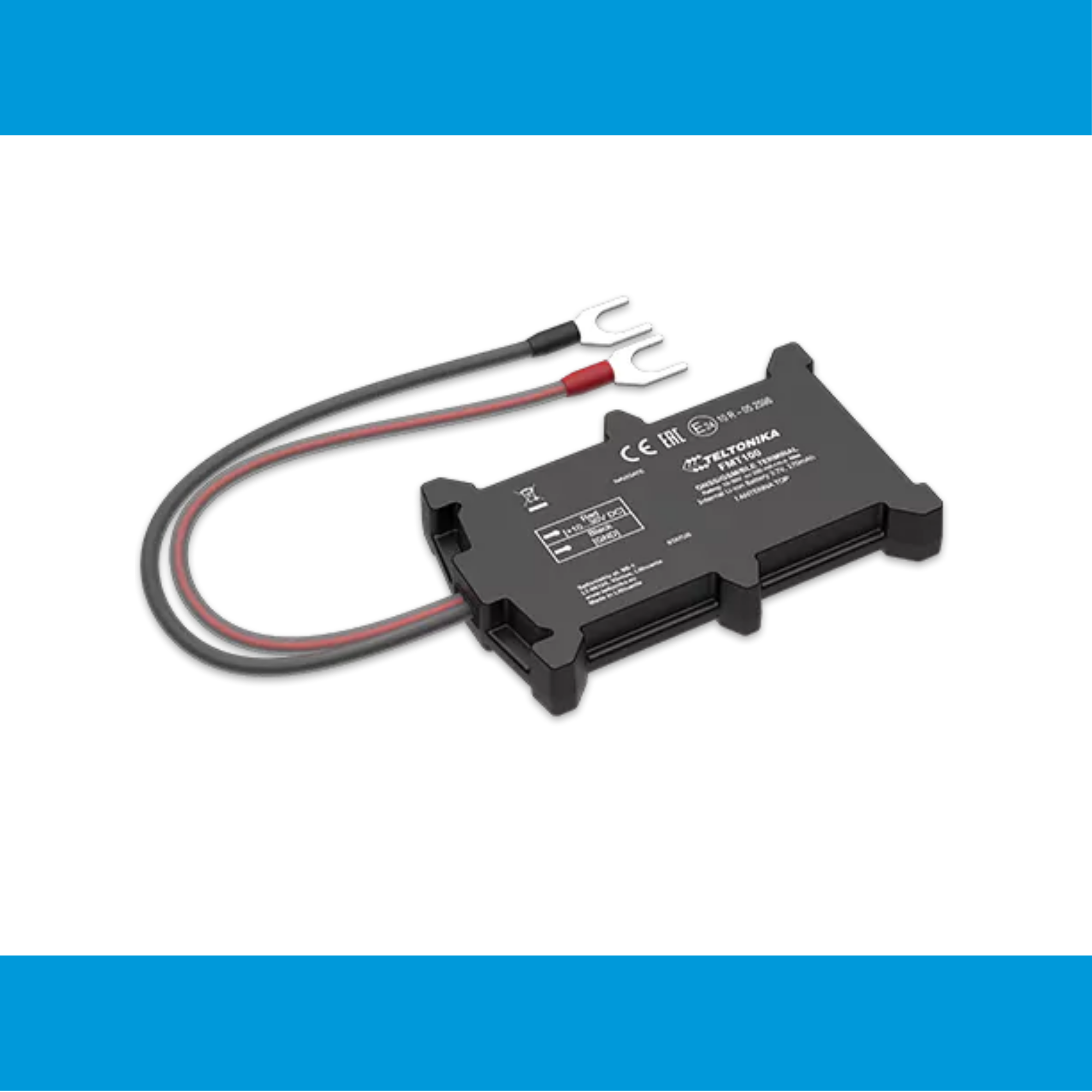
DrivePro’s motorcycle GPS tracker is designed for motorcycles, scooters, cars, vans and other 12V or 24V vehicles. The product page describes real-time tracking, geofencing, mileage logging, crash detection and phone alerts. At the time of writing, the listed package includes 12 months of service for £74.99; check the product page for current pricing and availability.
Deploying a tracker: a practical checklist
For one bike or a small fleet, use this process:
-
Record the motorcycle details
Keep the registration, frame number, photographs, receipts and accessory list together. -
Choose the correct installation method
DrivePro’s self-install tracker connects to the vehicle battery using two colour-coded wires. Use a qualified installer if you are not confident working around the electrical system. -
Configure alerts immediately
Set movement notifications and create geofences around your home, workplace or storage site. -
Add emergency contacts
Make sure someone else can access important information if you are unavailable. -
Test the system
Confirm that alerts arrive on your phone and that the recorded location is accurate. -
Review the insurance wording
Ask your insurer whether a tracker affects your policy conditions, discount or approved-security requirements. Do not assume that installing any tracker automatically changes your cover.
The tracker is one layer in a wider security plan. Combine it with good-quality locks, careful storage, lighting, CCTV where appropriate and correct insurance cover.
Protect more than the motorcycle
A theft claim may replace the bike, but it may not replace your no-claims bonus, unused premium, riding kit, tools, working time or peace of mind.
GPS tracking helps you identify suspicious movement early, respond with accurate location information and reduce the period in which your motorcycle is missing. For individual riders and small motorcycle fleets, that combination of visibility and speed can protect both your vehicle and your budget.
Explore the DrivePro products range, or contact the UK-based support team through the DrivePro help centre if you need help choosing or setting up a tracker.
Protect the bike. Reduce the hidden cost. Track with confidence!
Insurance policies vary. Always check your own policy wording and speak to your insurer about excesses, exclusions, accessories, business use and alternative transport.